I flew into Delhi from Ahmedabad for a single day, and there was one place I refused to skip. Not a monument, not a market, but an 11-acre railway yard in the diplomatic enclave of Chanakyapuri: the National Rail Museum. Every Indian child reads that the first train ran between Bombay and Thane on 16 April 1853. Walking through this museum, you see what happened in the 170-odd years since, right up to Vande Bharat and the bullet train now on its way.
A museum that began in 1971
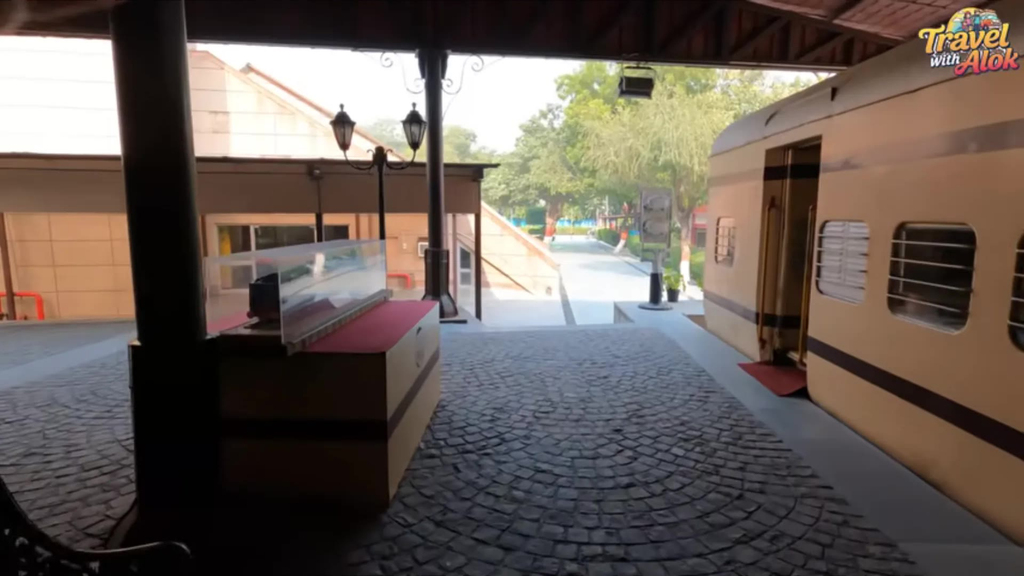
The foundation stone was laid by President V.V. Giri on 7 October 1971, and the museum opened to the public on 1 February 1977 as the Rail Transport Museum, India’s first transport museum. It was renamed the National Rail Museum in October 1995. Fittingly, even the administrative office is a railway coach, and the walkway outside it is built like a platform. You know from the first minute that this place takes its subject seriously.
The outdoor yard: giants of steam, diesel and electric
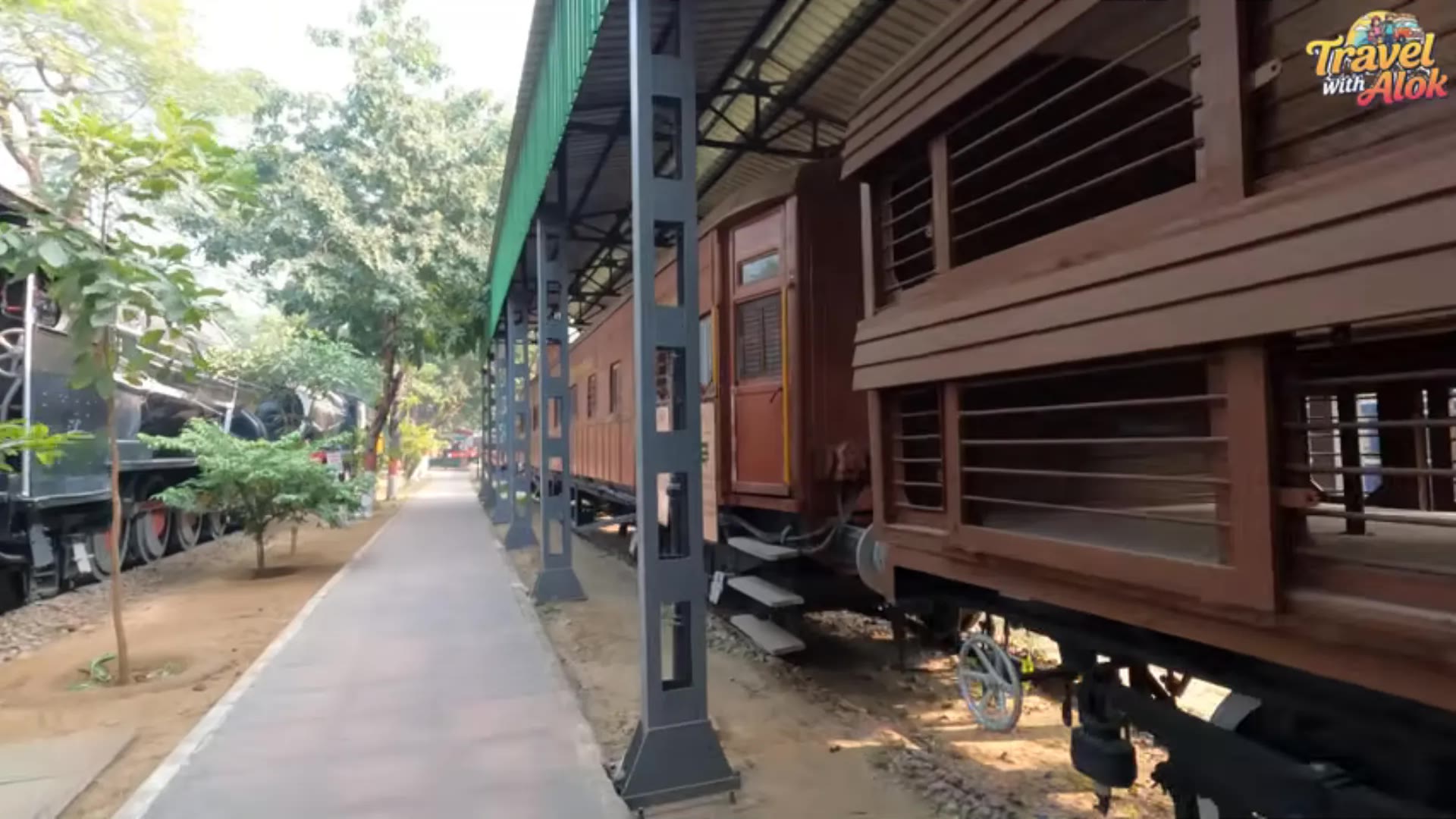
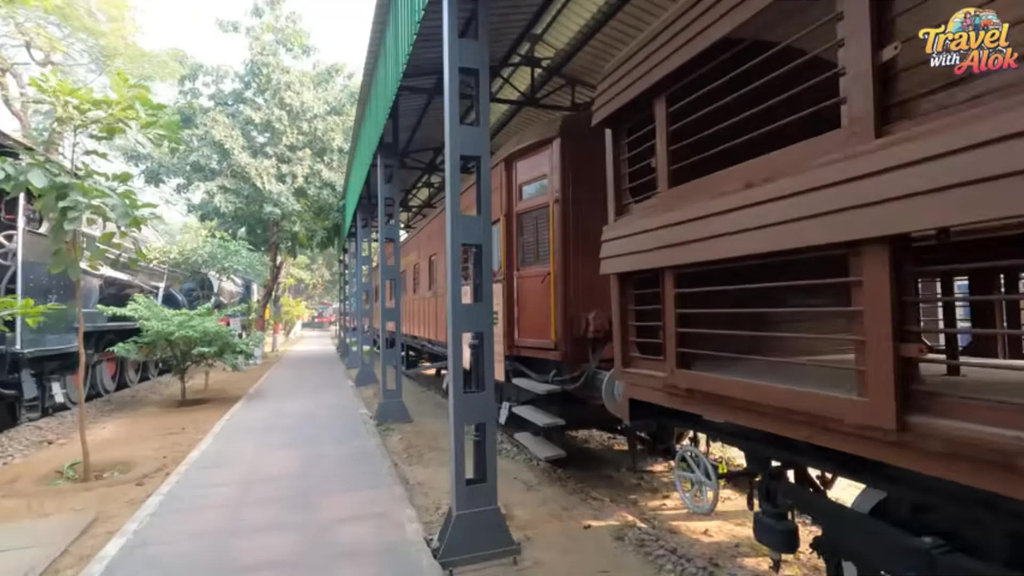
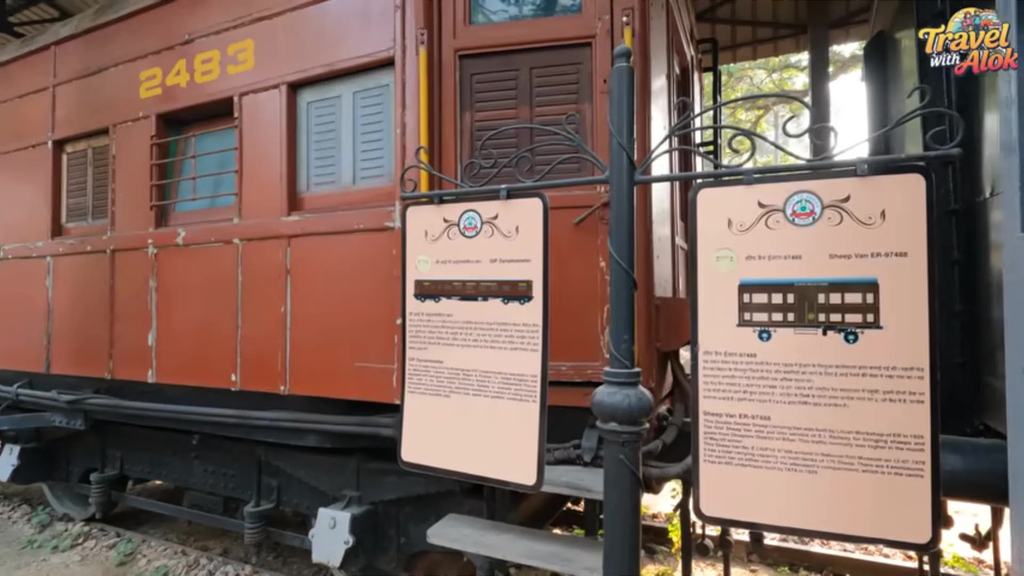
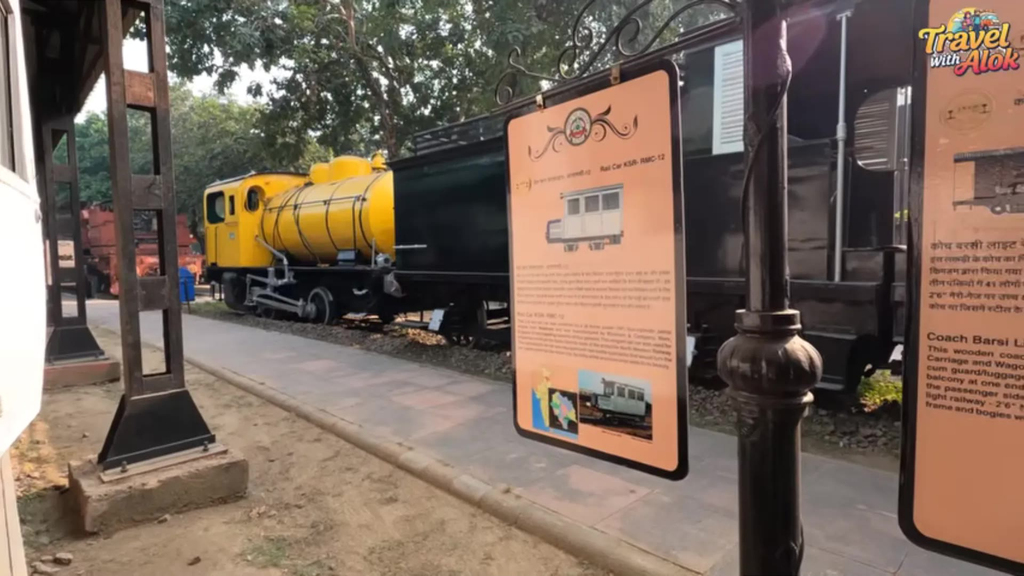
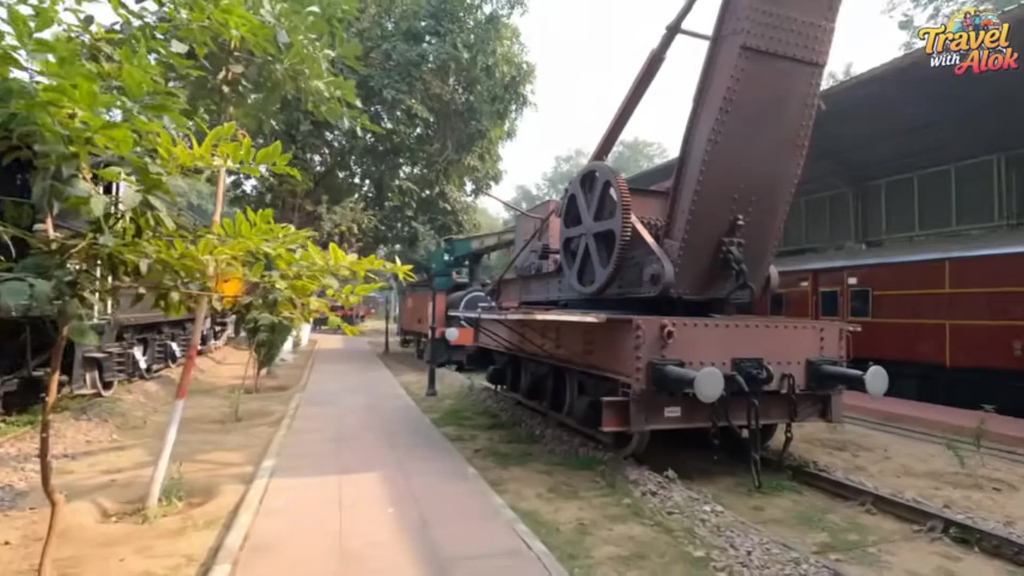
The heart of the museum is the outdoor gallery, laid out like a working railway yard. Steam locomotives, diesel and electric engines, wagons, cranes, armoured trains and rail cars stand in the open under Delhi’s sky, life-size and beautifully restored. Some of my favourite finds were the small details: a double-decker sheep van built at the Liluah workshop in West Bengal on an underframe made by Tata in 1929, an 85-horsepower engine that once did shunting duty in the North Western Railway, and an old steam crane that looks like it could still lift a carriage.
The Fairy Queen and the Patiala monorail
Two exhibits stop everyone. The Fairy Queen, built in 1855, is celebrated as the world’s oldest working steam locomotive and one of the best preserved engines of her age. Close by is the Patiala State Monorail Tramway of 1907, a wonderfully odd single-rail system that tells you how inventive early Indian railways were.
Royal saloons fit for princes
Then there are the saloons. The Prince of Wales saloon dates to 1875, and the Maharaja of Mysore’s saloon of 1899 sits nearby, both a reminder of the era when trains were built for ceremony as much as travel.
Indoors: stamps, number plates and great bridges
The indoor gallery is where the story becomes personal. One wall traces the journey of Indian Railways through postal stamps, from the Assam Bengal Railway to the Maharaja Scindia of Gwalior’s state railway. Another wall is covered in locomotive builders’ plates and train number plates, arranged so beautifully that a century of history fits on a single wall. There are models of great railway sea bridges, and a proud display on the Chenab Bridge, among the highest railway bridges in the world, which was inaugurated in June 2025.
Why this museum matters
A country’s growth is tied closely to how it moves people and goods. India was fortunate to get railways early, and they have kept growing ever since. This museum isn’t only the history of trains; it’s the story of the struggle and effort that carried the country to where it stands today. I walked out genuinely fascinated, and I hope the Railways keep making it more interactive, because there is so much here to tell.
Plan your visit
Where: Chanakyapuri, New Delhi. The nearest metro stations are on the Yellow and Pink lines; a short auto or cab ride gets you to the gate.
When: Open Tuesday to Sunday and closed on Mondays. Timings and ticket prices change, so check the official site, nrmindia.org, which also handles online booking.
How long: Give it at least half a day. A full day is even better if you have children with you, and you should bring them: the joy train ride around the yard, the coach simulators and the open space make it one of the best family outings in Delhi.
Food: The museum restaurant, The Rails, sits inside a replica of the Chhatrapati Shivaji Terminus dome, with a model train that brings food to your table.
My tip: Go early, start outdoors before the sun gets strong, and save the indoor gallery for the afternoon.
Watch the film
I covered the museum, Sita Ram’s chole bhature in Paharganj and an evening in Connaught Place in my film, I Spent One Day in Delhi, India:
Subscribe at https://www.youtube.com/@roadsrewritten for more journeys. Photographs by Alok Brahmbhatt.