There was a phase when my camera spent more time in its bag than in my hands. This year I picked it up again, and this time I have not put it down. I am shooting regularly again, learning something every time I step out. Something in me has woken up, and I want to write about what it really means to me.
People often think a camera is just a tool to capture a place, a person or a moment. Some even hand it out as advice: carry a camera, you will get good pictures. For me it is much more than that. A photograph shows how well I could connect with that place, with those people, with that event. It shows how the whole scene touched me, what I felt standing there, and how I chose to see it. Two people can stand at the same spot and come back with completely different frames, because what they carry home is not the place. It is their interpretation, their perspective, their relationship with what was in front of them, sometimes even with a stranger they never spoke to.
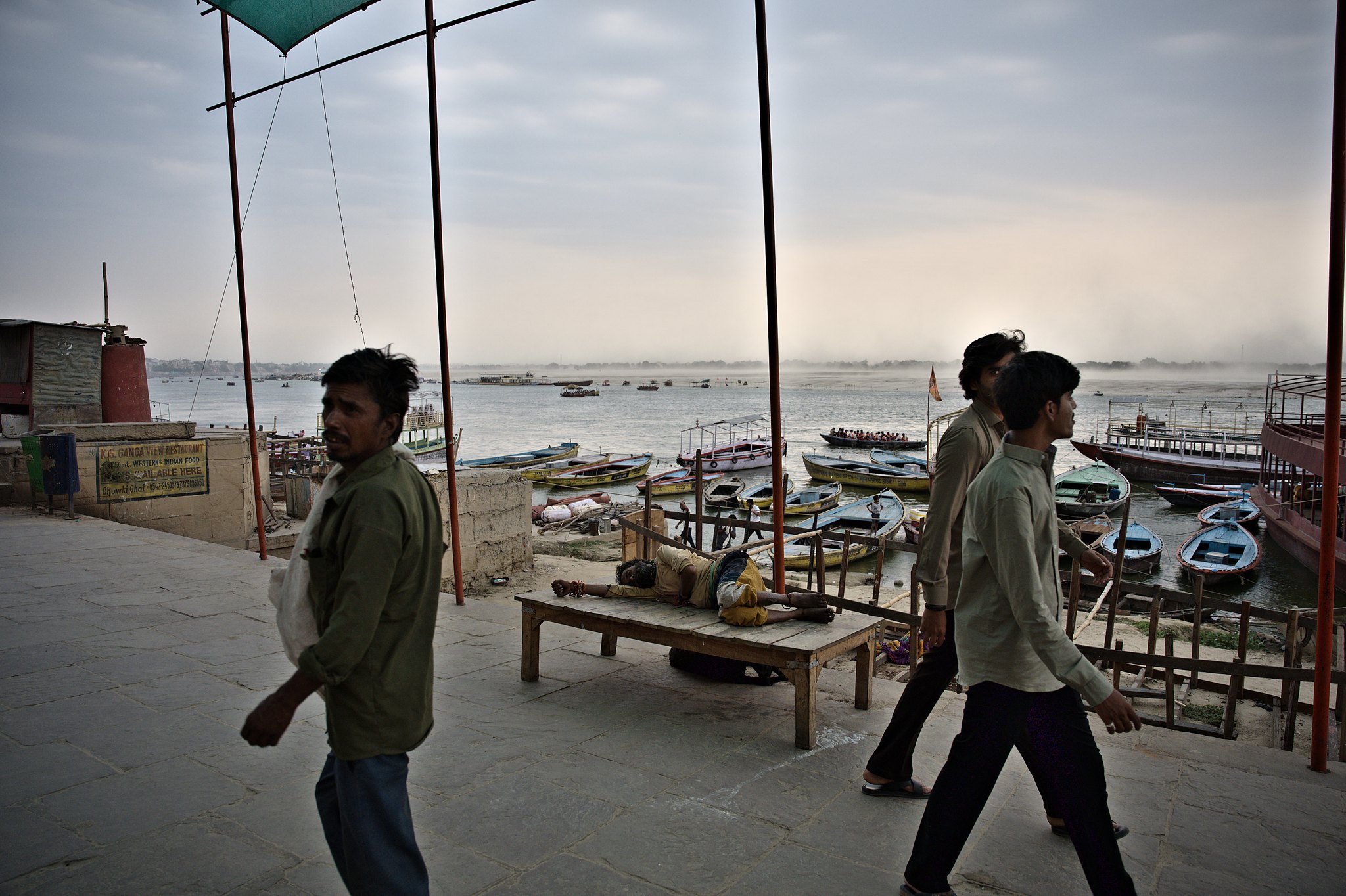
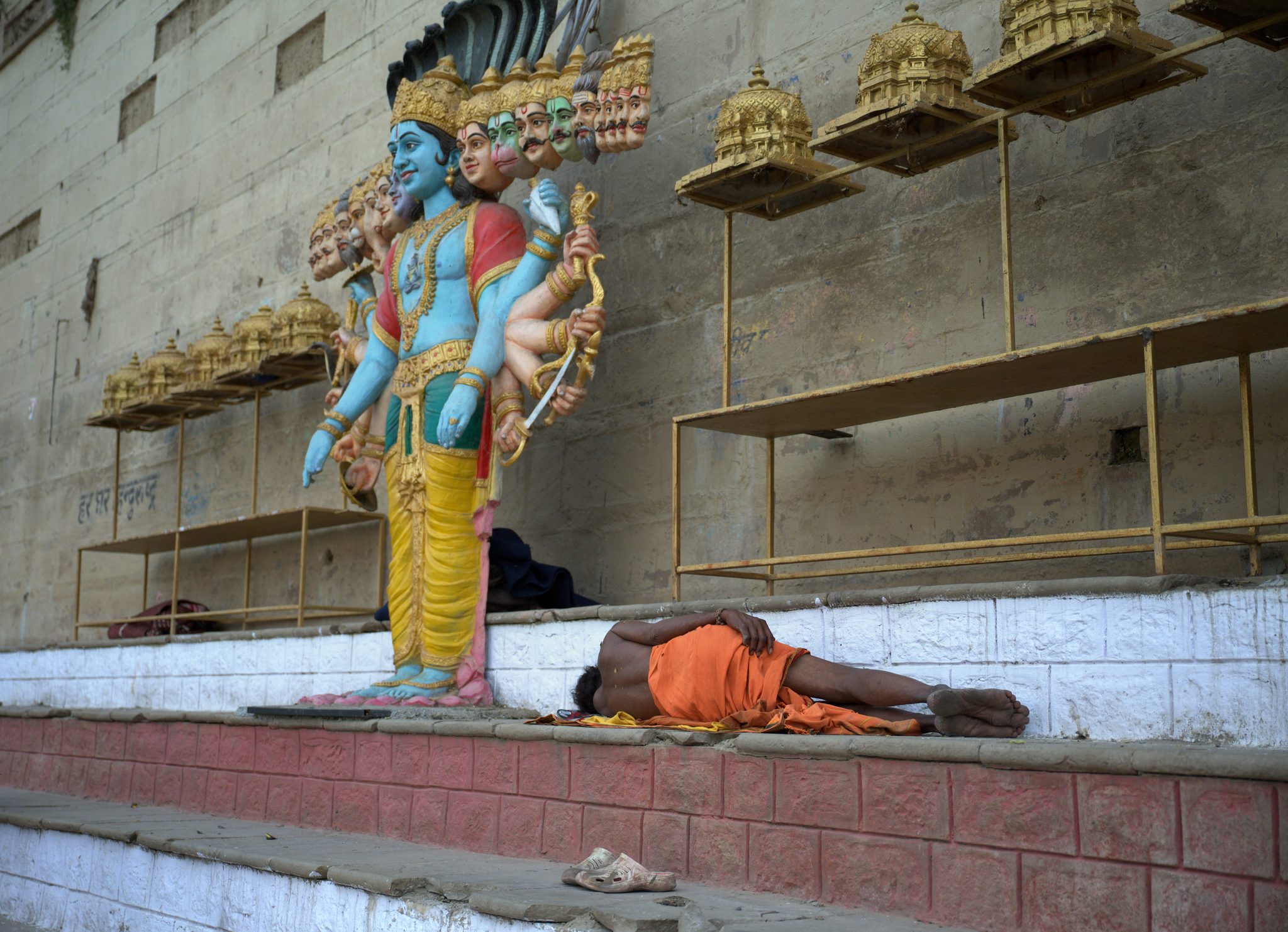
In April I went to Banaras. For three days I did one thing: I walked the ghats. All of them, end to end, again and again, from morning to evening. I had no list, no must-see spots, no plan for the next hour. I simply walked beside the Ganga and let the city come to me: boats waiting at the water’s edge, people resting on the steps, the light changing over the river, life and faith sitting side by side without any fuss.
Walking like that, with no destination and no intention, just observing the world, is beyond peaceful. Calling it meditative would be an understatement. It calms you down, yes. It lets you reach emotions you keep buried under the noise of daily life, yes. But it does something more: it changes the way you feel and interpret the world. Somewhere on those ghats I stopped hunting for photographs and started noticing. The camera did not stand between me and Banaras; it pulled me closer. I was not a tourist taking pictures. I was someone slowly learning to see again.
I made a film from those three days. If Banaras has ever called you, I think you will understand why it is so hard to leave Kashi.
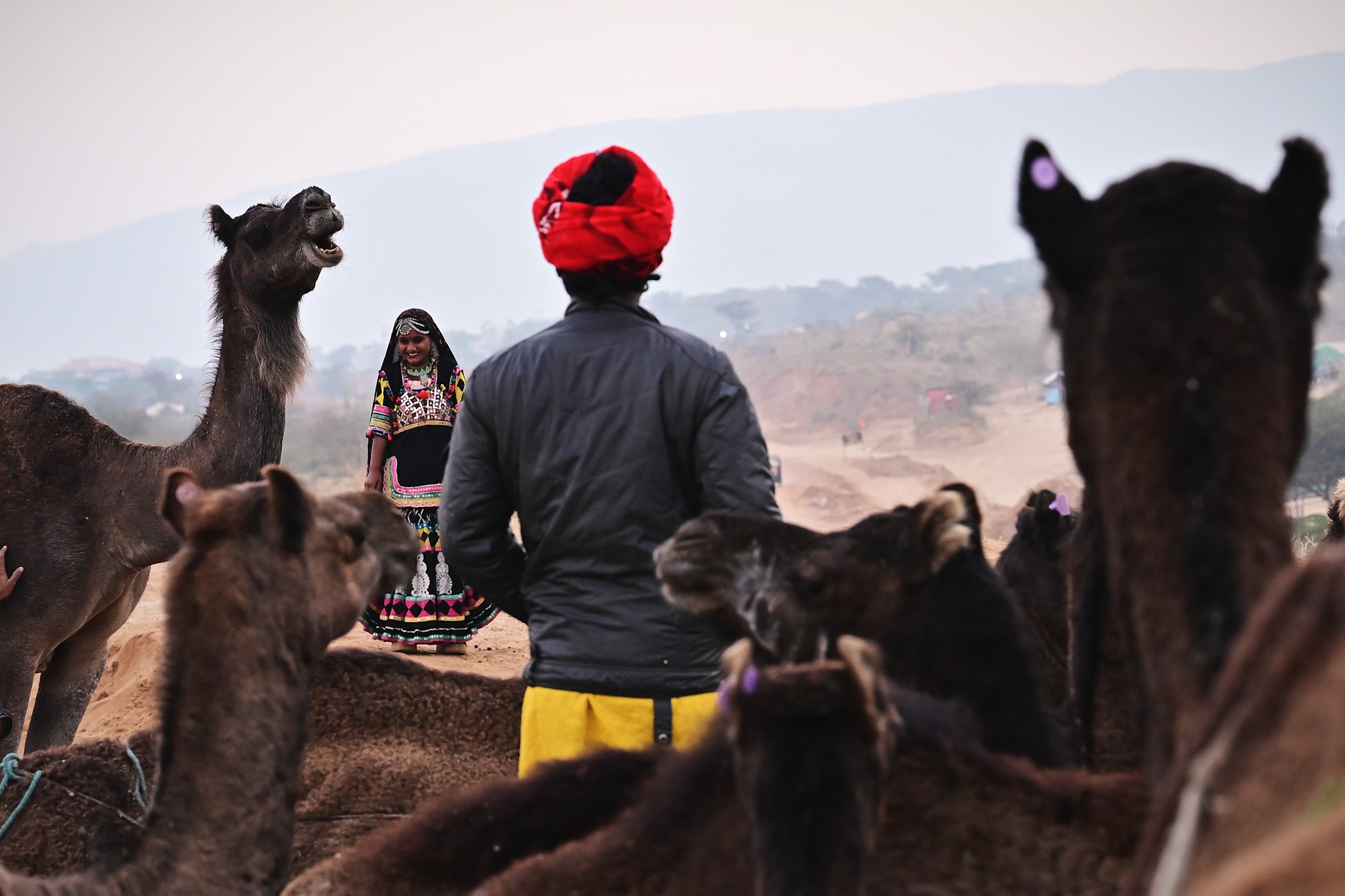
This November the same pull took me to Pushkar. I drove all the way from Ahmedabad, alone, just to spend my weekend at the Pushkar mela, to see it, to experience it and to shoot it. Long hours on the road, only my thoughts and the highway for company. Somehow that solitude prepared me. By the time I reached the fair, I was not in a hurry for anything.
The mela is loud, crowded, colourful and alive. Camels, herders, dust, smoke, a thousand stories happening at once. It would be easy to point and click at everything. But the lesson from Banaras stayed with me: slow down, walk without a plan, and wait until a scene touches you. My favourite moments came only after I had stood still for a while, feeling the place more than looking at it. Morning haze, evening fires, the sun going down over the fairground. Each moment asked me to be present before it allowed me to press the shutter.
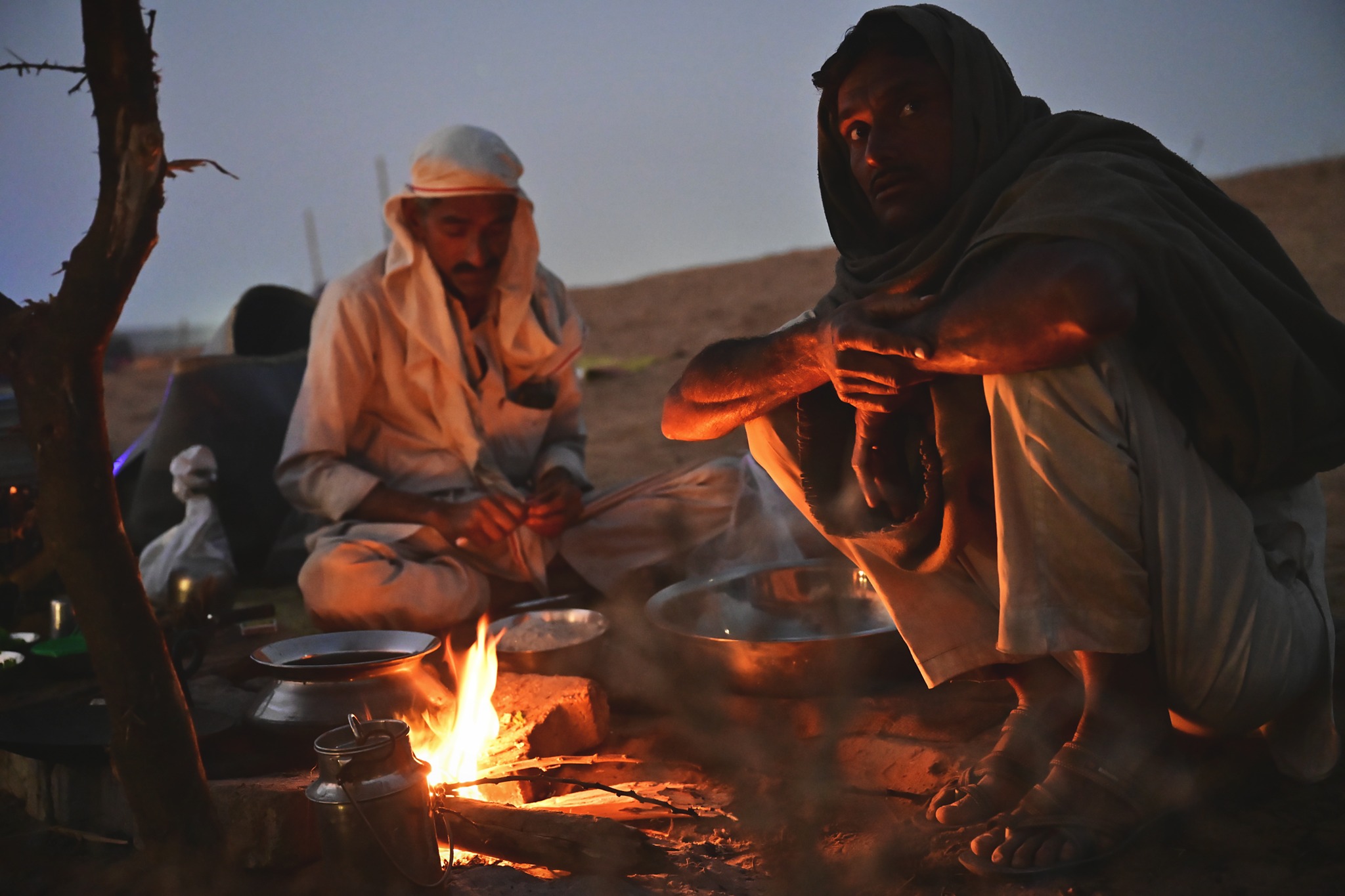
This is what I mean when I say photography is not only about capturing. Every frame I bring back is a small confession of how I felt there. If a picture is honest, it is because I was honest with the place. And when a frame fails, it is usually because I was in a hurry, or thinking about the picture instead of the people in it.
The Pushkar film is coming soon on my YouTube channel, Roads Rewritten with Alok. If you would like to walk the mela with me, please subscribe so you don’t miss it. It would mean a lot to me.
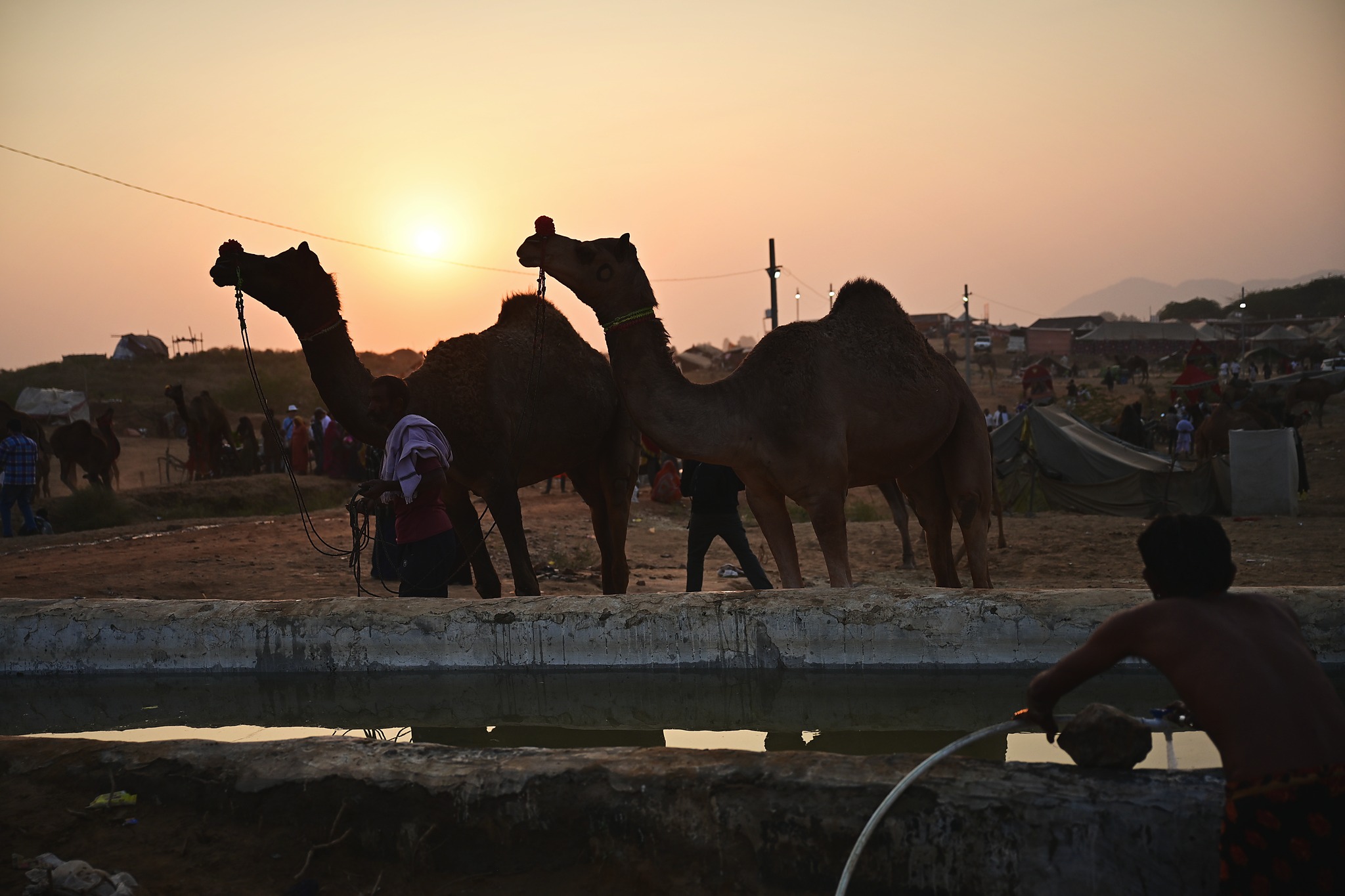
So yes, I am back behind the lens. Still learning, still making mistakes, still honing the craft one walk at a time. The journey continues: more walks without destinations, more streets, more strangers, more frames. Chalte rehna hai. And I hope that, through these pictures, you feel a little of what I felt standing there.